

Are table top ice makers safe for home use? This is a question that many homeowners often ask when considering adding a convenient ice - making solution to their kitchens or entertainment areas. As a supplier of table top ice makers, I'm here to provide you with a comprehensive analysis of their safety for home use.
1. Understanding the Basics of Table Top Ice Makers
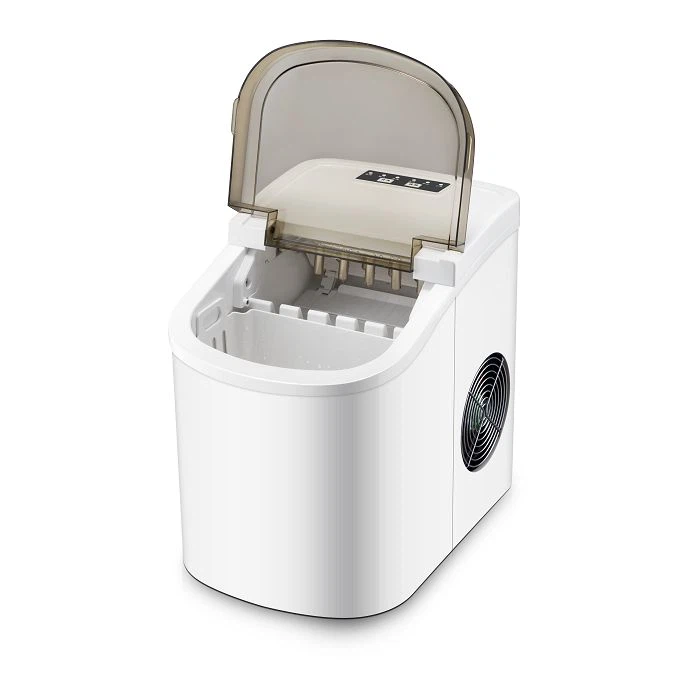
Table top ice makers are compact, self - contained units designed to produce ice quickly and efficiently in a home environment. They typically work by taking in water, freezing it into ice cubes or other ice shapes, and then dispensing the ice into a storage bin. Most models are easy to operate, requiring only a power source and a water supply.

2. Safety Features of Table Top Ice Makers
2.1. Material Safety
One of the primary concerns regarding home appliances is the safety of the materials used in their construction. Reputable table top ice makers are made from food - grade materials. These materials are non - toxic and do not leach harmful chemicals into the ice or water. For example, the interior water reservoir and ice storage bin are usually made of materials that meet strict food safety standards, ensuring that the ice produced is safe for consumption.
2.2. Electrical Safety
Electrical safety is crucial for any home appliance. Table top ice makers are designed with multiple electrical safety features. They are equipped with grounded plugs to prevent electrical shock. Additionally, most models have built - in over - current protection devices. These devices automatically cut off the power supply if there is an electrical short - circuit or an overload, reducing the risk of fire and electrical hazards.
2.3. Temperature Control
Proper temperature control is essential for both ice production and safety. Table top ice makers are engineered to maintain optimal freezing temperatures. This not only ensures efficient ice production but also prevents the growth of bacteria and other microorganisms. The cooling systems are designed to operate within a safe temperature range, and many models have temperature sensors that can detect and adjust the temperature as needed.
3. Potential Risks and How to Mitigate Them
3.1. Water Quality
The quality of the water used in the ice maker can affect the safety of the ice. If the water contains impurities, such as heavy metals, bacteria, or chemicals, these can be present in the ice cubes. To mitigate this risk, it is recommended to use filtered or bottled water. Many table top ice makers also come with water filters that can remove common contaminants from the water, improving the quality and safety of the ice.
3.2. Cleaning and Maintenance
Regular cleaning and maintenance are necessary to keep the table top ice maker safe. Over time, mineral deposits, mold, and bacteria can build up inside the machine. This can not only affect the quality of the ice but also pose a health risk. To prevent this, it is important to follow the manufacturer's cleaning instructions. Most ice makers require periodic cleaning of the water reservoir, ice storage bin, and internal components using a mild cleaning solution.
3.3. Physical Safety
There is a small risk of physical injury when using a table top ice maker. For example, fingers could get caught in the ice dispenser or moving parts. To avoid such accidents, users should keep their hands away from the moving parts during operation and follow the safety instructions provided in the user manual.
4. Comparing with Other Ice - Making Options
4.4. Traditional Ice Trays
Compared to traditional ice trays, table top ice makers offer several safety advantages. Ice trays often require manual handling of water and ice, which can lead to spills and potential slips. In addition, it can be difficult to ensure that ice trays are thoroughly cleaned, increasing the risk of bacteria growth. Table top ice makers, on the other hand, are self - contained and have built - in safety features to minimize these risks.
4.5. Square ice making machine
While Square ice making machine are often used in commercial settings, they can also be considered for large - scale home use. However, they are generally larger, more complex, and may require professional installation. Table top ice makers are more user - friendly and safer for home use, as they are designed with the average homeowner in mind.
4.6. Scotsman Ice Maker
Scotsman Ice Maker are well - known for their high - quality ice production. They are often used in commercial establishments. For home use, table top ice makers are a more practical and safe option. They are smaller, easier to install, and do not require the same level of maintenance as commercial - grade machines.
4.7. Commercial Icemaker
Commercial Icemaker are designed for heavy - duty use and can produce large quantities of ice. However, they are typically more expensive, larger in size, and may have more complex safety requirements. Table top ice makers are a safer and more cost - effective choice for most home users.
5. Conclusion
In conclusion, table top ice makers are generally safe for home use when used and maintained properly. They are equipped with various safety features to protect users from electrical hazards, ensure the safety of the ice produced, and prevent physical injuries. By following the recommended guidelines for water quality, cleaning, and maintenance, homeowners can enjoy the convenience of having fresh ice at home without significant safety concerns.
If you are interested in purchasing a table top ice maker for your home, we are here to assist you. We offer a wide range of high - quality table top ice makers that are designed with safety and performance in mind. Contact us for more information and to start a procurement negotiation.
References
- Manufacturer's user manuals of table top ice makers.
- Industry standards for home appliance safety.
- Research on food - grade materials used in ice - making appliances.